Here is my Design Task. This is 5th week of Term 4. Today we are learning about - Diwali! I just want to thank the Team 4 teachers you put up our work for us, everyday. Please leave a Positive comment. I Hope you enjoyed looking/reading my Deigned Dishes! and I also Hope you and your family are staying safe and healthy, Byyeee <3
Showing posts with label Diwali. Show all posts
Showing posts with label Diwali. Show all posts
Thursday, November 18, 2021

How to make Samosas
How to make samosas

Today you are going to share instructions on how to create samosas. Watch the video on how to make samosas . You will need to use the video to help you know all of the ingredients and equipment needed to make samosas. You will also need to use the video to help you know the step by step instructions to make samosas. Make sure that your instructions are in the right order and provide enough detail for someone else to follow and create their own samosas.
Here is my Writing Task. This is 5th week of Term 4. Today we are learning about - Diwali! I just want to thank the Team 4 teachers you put up our work for us, everyday. Please leave a Positive comment. I Hope you enjoyed looking/reading my Writing! and I also Hope you and your family are staying safe and healthy, Byyeee <3
Thursday: Word Work of the Day (W5, T4)
Here is my Word Work of the Day - Variety. This is 5th week of Term 4. Today we are learning about - Diwali! I just want to thank the Team 4 teachers you put up our work for us, everyday. Please leave a Positive comment. I Hope you enjoyed looking/reading my Word Work! and I also Hope you and your family are staying safe and healthy, Byyeee <3
Research: Around India in 80 Dishes (Thursday W5, T4)
Here is my Reasearch Presentation. This is 5th week of Term 4. Today we are learning about - Diwali! I just want to thank the Team 4 teachers you put up our work for us, everyday. Please leave a Positive comment. I Hope you enjoyed looking/reading my Presentation Task! and I also Hope you and your family are staying safe and healthy, Byyeee <3
FACTS - Diwali Sweets and Snacks (T4, W5)
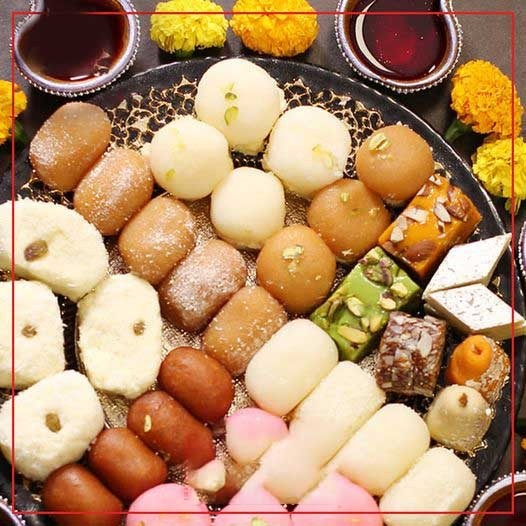
Response to text:
Indian Sweets
Highlight the correct answer or write down the appropriate response.
1. Indian Sweets are known as…
a) Maithai b) Mithai
c) My Dad d) Aloo
2. Where do the majority of people get their sweets?
a) Willy Wonka’s Chocolate Factory b) They are home-made
c) Sweet Shops d) The dairy down the road
3. “There are many variations of Indian sweets.” Explain what “variations” means in your own words
→ A change or slight difference in condition, amount, or level, typically within certain limits.
4. True or False: Barfi comes from the Persian word for snow.
a) True b) False
5. Jalebi originally comes from which area of the world?
a) Africa b) China
c) India d) Middle East
6. Which sweet is made from “ maida ”?
→Jalebi!!
7. Explain, in your own words, why Indian sweets are not good to eat all the time.
→ Indian sweets are tooo sweet, and it might give us weight gain, blood sugar problems and an increased risk of heart disease, among other dangerous conditions.
8. Which one of these dishes would you like to try the most. Explain why.
→ I would like to try ‘JALEBI’ again, it is just………so delicious and so sweet! I recommend you all should try it. (Don’t eat too much though!)
Here is my Response to Text. This is 5th week of Term 4. Today we are learning about - Diwali! I just want to thank the Team 4 teachers you put up our work for us, everyday. Please leave a Positive comment. I Hope you enjoyed looking/reading my Response to Text! and I also Hope you and your family are staying safe and healthy, Byyeee <3
FACTS - Diwali Sweets and Snacks (T4, W5)
Here is my 4 Facts - Sweets and Snacks. This is 5th week of Term 4. Today we are learning about - Diwali! I just want to thank the Team 4 teachers you put up our work for us, everyday. Please leave a Positive comment. I Hope you enjoyed looking/reading my 4 Facts! and I also Hope you and your family are staying safe and healthy, Byyeee <3
Tuesday, November 16, 2021
Tuesday: Word Work of the Day (W5, T4)
Here is my Word Work of the day - Celebration. This is 5th week of Term 4. Today we are learning about - Diwali ! I just want to thank the Team 4 teachers you put up our work for us, everyday. Please leave a Positive comment. I Hope you enjoyed looking/reading my Word Work of the Day! and I also Hope you and your family are staying safe and healthy, Byyeee <3
Response to Text: Rangoli (Tuesday (W5, T4)
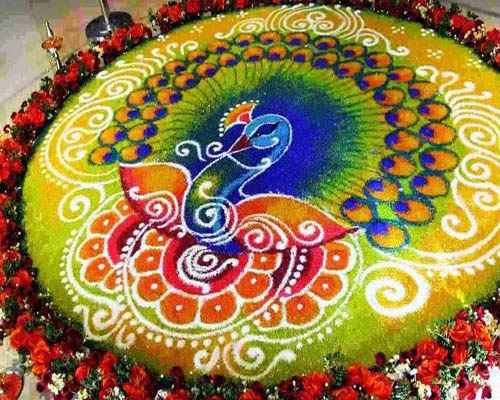
Response to text:
Rangoli
Highlight the correct answer or write down the appropriate response.
1. Rangoli is…
a) coloured powder b) designs made using coloured powder
c) a new position in soccer d) another word for Diwali
2. What are Rangoli supposed to bring to the house?
a) Bad luck b) Good luck
c) Phospherousity d) Trick or Treaters
3. . True or False: Rangoli in South India is called Mandana
a) True b) False
4. Which of these is NOT a traditional material used to create Rangoli?
a) Beans b) Rice
c) Taro d) Salt
5. Explain in your own words how to create a Rangoli design.
→ Fill an empty salt/pepper shaker with Rangoli colors for an easy shaker to fill in the design.
To make colorful rice, pasta, or salt: measure 1 cup of rice, pasta, or salt into a container that comes with a lid (or a sealable bag). Add food coloring and 1 teaspoon of vinegar. Put the lid on the container or seal the top of the bag, and shake everything up until the color is evenly distributed. Spread the material in an even layer on a paper plate or towel until dry. For faster drying, spread materials on a sheet tray and put in the oven at a low temperature, stirring occasionally until dry. Choose the design you want to make -- either geometrical, a floral design, or get creative and follow wherever your inspiration leads you! Decide where to draw your Rangoli. You can draw on the floor or outside of your house.Give dimension to your outline with white textured material like rice flour, Rice flour/Rangoli Powder is usually applied freehand by letting it run from the gap formed by pinching the thumb and forefinger. Choose the materials you will use to fill in the design. Use natural materials easily found in your house or garden. You can use flower petals, leaves, colored rice, chalk or Rangoli powder, beans etc. Have fun creating, but tidy up your mess!
Here is my Response to Text about Rangoli. This is 5th week of Term 4. Today we are learning about - Diwali ! I just want to thank the Team 4 teachers you put up our work for us, everyday. Please leave a Positive comment. I Hope you enjoyed looking/reading my Response to Text and I also Hope you and your family are staying safe and healthy, Byyeee <3
FOUR FACTS - Diwali Art Rangoli (T4, W5)
Here is my 4 Facts about Rangoli. This is 5th week of Term 4. Today we are learning about - Diwali ! I just want to thank the Team 4 teachers you put up our work for us, everyday. Please leave a Positive comment. I Hope you enjoyed looking/reading my 4 Facts and I also Hope you and your family are staying safe and healthy, Byyeee <3
Monday, November 15, 2021
The Country of India - Research Presentation (W5, T4)
Here is my Research Presentation - India. This is 5th week of Term 4. Today we are learning about - Diwali ! I just want to thank the Team 4 teachers you put up our work for us, everyday. Please leave a Positive comment. I Hope you enjoyed looking/reading my Presentation and I also Hope you and your family are staying safe and healthy, Byyeee <3
Monday: Word Work of the Day (W5, T4)
Here is my Word Work of the Day - 'Celebration'. This is 5th week of Term 4. Today we are learning about - Diwali ! I just want to thank the Team 4 teachers you put up our work for us, everyday. Please leave a Positive comment. I Hope you enjoyed looking/reading my Word Work and I also Hope you and your family are staying safe and healthy, Byyeee <3
Response to Text: Diwali (Monday (W5, T4)

Response to text:
Diwali
Highlight the correct answer or write down the appropriate response.
1. Diwali is a celebration of…
a) the start of summer! b) fireworks
c) a new year d) colours and lights
2. What does Diwali mean in Sanskrit?
a) Festival of lights b) Row of lights
c) Fireworks d) New Year
3. True or False: Diwali is usually celebrated in late November, early December.
a) True b) False
4. What is the name of the art form in which coloured powders are used to create beautiful designs on the floor?
a) Lakshmi b) Rangoli
c) Mithila d) Vishnu
5. Describe, in your own words, what Diwali is, what it celebrates, and how it is celebrated.
→ Diwali is the five-day Festival of Lights, celebrated by millions of Hindus, Sikhs and Jains across the world. Diwali, which for some also coincides with harvest and new year celebrations, is a festival of new beginnings and the triumph of good over evil and light over darkness.
Here is my Response to Text about 'Diwali'. This is 5th week of Term 4. Today we are learning about - Diwali ! I just want to thank the Team 4 teachers you put up our work for us, everyday. Please leave a Positive comment. I Hope you enjoyed looking/reading my Response to Text and I also Hope you and your family are staying safe and healthy, Byyeee <3
FOUR FACTS - Diwali (T4, W5)
Here is my 4 Facts about 'Diwali'. This is 5th week of Term 4. Today we are learning about - Diwali ! I just want to thank the Team 4 teachers you put up our work for us, everyday. Please leave a Positive comment. I Hope you enjoyed looking/reading my 4 Facts and I also Hope you and your family are staying safe and healthy, Byyeee <3
Subscribe to:
Posts (Atom)